FIRST IMPRESSIONS: TRIUMPH TF 250-E
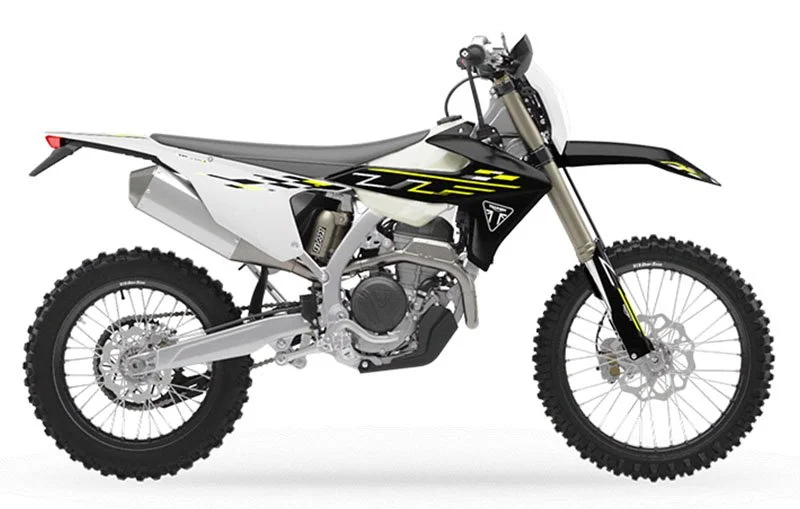
Here we have the Triumph TF 250-E, the lites-class enduro weapon from the British brand. Off the back of their impressive 450 Enduro model, how does the 250 stack up in today’s 250 range? Here are some initial impressions of the bike.
This is Triumph’s first foray into real enduro territory, not a dual-sport repack, but a purpose-built machine with race pedigree and competition intent right out of the crate. Developed with world champs and designed to handle both technical trail work and the faster stuff, the TF 250-E stands pretty proud for a first attempt at this discipline.
The engine character is its strength - the 249.9 cc single delivers around 42 hp and 28 Nm in a very linear, tractable way, with strong bottom and mid-range that keeps you pulling over rocks, roots, and short climbs without the chirpy, snappy feel of the pure motocrosser that Triumph initially launched over a year ago.
Compared to how the Triumph 450 E felt under me, the 250-E feels less intimidating and more usable, which I think will be on point for the majority of riders. The 450’s extra shove is undeniable, but that momentum and punch can make tight bush and slow terrain more of a handful for the average weekend warrior. The 250 seems to me to have the perfect amount of go, so long as you don;t spend all your time at the beach.
Chassis, suspension, and balance are big ticks! The aluminium spine frame and fully adjustable KYB suspension give a poised, predictable feel that’s confidence-inspiring in changing terrain, and really unlike anything Triumph has done off-road before. It flicks through corners and technical stuff without getting nervous. And the bike, very much like the 450 version, is so easy to gel with instantly.
Tech you used to pay extra for is standard here. Traction control, launch control, dual engine maps, and a quickshifter all come as part of the package, which not only broadens what the bike can do, but also makes it feel more complete as a package that you can tailor to your wants. in 2026, these are almost standard parts across most manufacturers, but it is nice to see Triumph adopt these for the first time out.
Real riders globally echo the same vibe. Don’t just take my word for it, testers and owners from around the world say it feels nimble, responsive, and surprisingly powerful for a 250, all points that I can honestly say I agree with. And right out of the box, the KYB appears to be up to pretty much any situation I have come across.
In the NZ market, pricing and specs put it squarely in competition with the big names – and cheaper than the likes of the Austrian Group. Brembo brakes, Michelin Enduro tyres, and premium components all come standard, and the ergonomics work equally well for long trail days or a harder enduro weekend. It also has its very own enduro Swing arm, compared to the MX model.
In the end, for riders who loved the accessibility of the 450 E but wanted something easier to hustle all day, the TF 250-E feels like Triumph has finally built a bike that hits where most riders actually ride - or at least where they should be riding. It’s playful in the woods, potent on open trail, and confident enough to show up on race day without the intimidation factor that sometimes comes with bigger bikes
I am a recently self-converted 250 guy now. Yeah, 450s are fun, and the TF 450-E nearly brought me back to the big-bore machines with how easy it was to ride. But after having ridden Triumph’s 250-E, I think I’m squarely back on the 250 side of the fence again.
A couple more rides in the books, and we will release the full review on the Triumph TF 250-E. So stay Tuned.
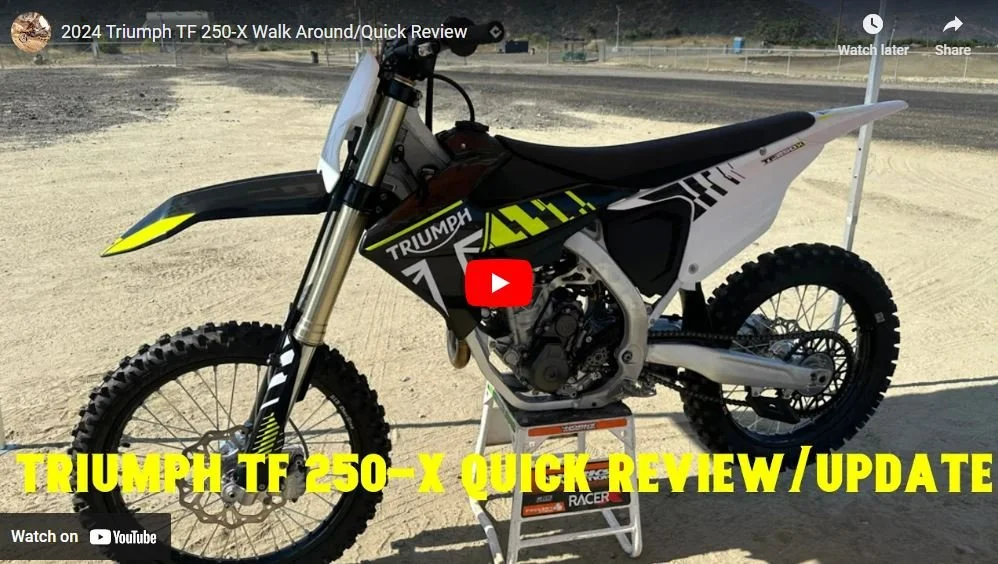
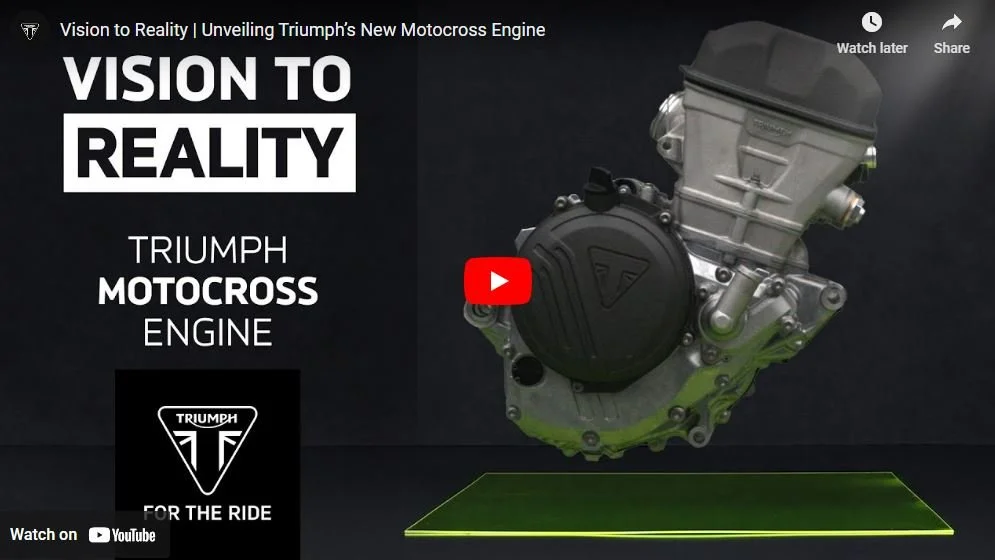
Check out a quick Video about the Enduro models from Triumph.
You Might Also Like